Some friendships in royal history are born of dynastic obligations. Others are shaped by political circumstances, family alliances or the demands of public life. The relationship between King Harald V of Norway and King Constantine II of Greece belonged to something far more enduring.
Today, with the news of the passing of King Harald V, the story of this extraordinary friendship takes on an even more poignant dimension. Another of the two friends has now passed into history, leaving behind not only a long reign, but also a bond that was genuine and enduring.
By: Andreas Megos
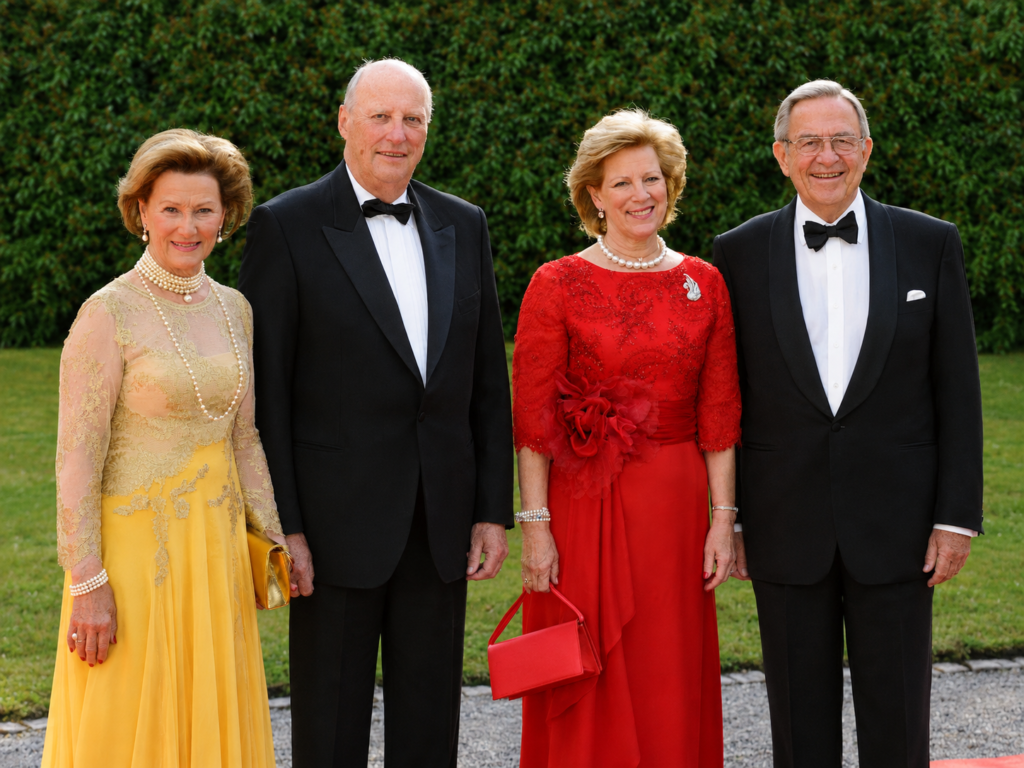
Their lives were connected through family, through a shared generation of European royalty, through the Olympic movement and, above all, through their deep love of sailing.
Their paths would ultimately take very different directions, yet for more than six decades the sea remained a common language between them. Both were Crown Princes. Both became kings. Both were Olympians. And both remained sailors long after the world into which they had been born had changed beyond recognition.
Two Young Princes
Harald and Constantine were born just three years apart — Harald in 1937 and Constantine in 1940 — into two of Europe’s historic royal houses.
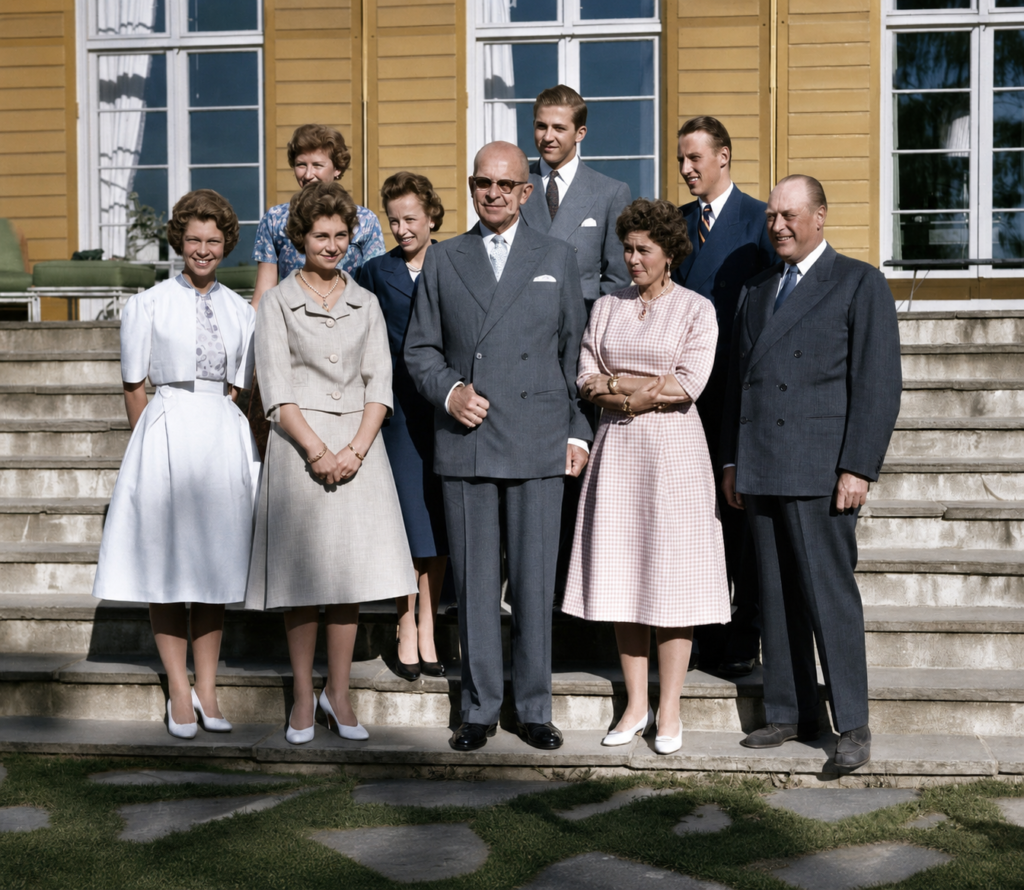
Their families were already connected through the dynastic relationships that linked the Scandinavian and Greek royal houses. As young princes, they belonged to a generation whose lives frequently crossed at family gatherings, official occasions, royal weddings and international sporting events.
Yet their connection was about far more than genealogy. They shared a genuine passion for sport, and particularly for sailing.
For Constantine, sailing would lead to a unique Olympic achievement. At just twenty years of age, he represented Greece at the 1960 Olympic Games in Rome, where he won the gold medal in the Dragon class alongside Odysseus Eskitzoglou and Georgios Zaimis. It was Greece’s first Olympic gold medal since 1912.
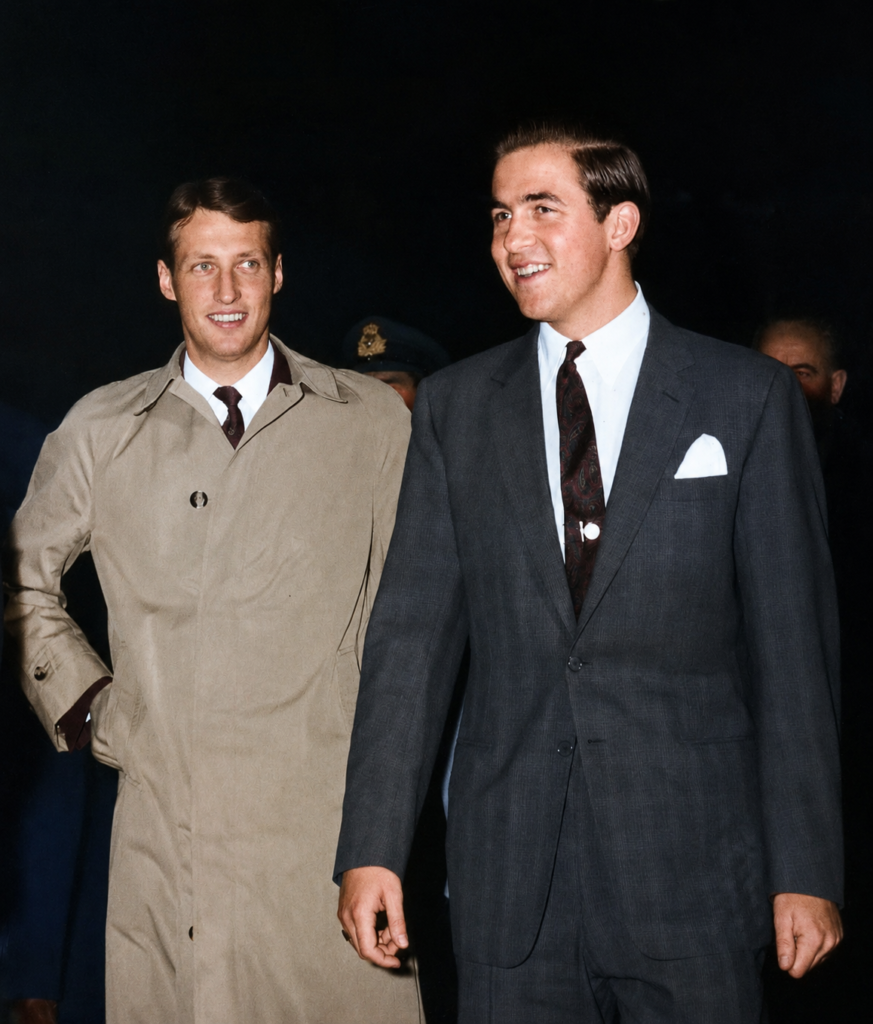
Harald followed a different Olympic path. He represented Norway in sailing at three consecutive Olympic Games — Tokyo in 1964, Mexico City in 1968 and Munich in 1972. His Olympic appearances would be only the beginning of an extraordinary competitive career that continued for decades, even after he ascended the Norwegian throne.
The young Greek Crown Prince had become an Olympic champion.
The young Norwegian Crown Prince was developing into one of Europe’s most devoted sailors.
The sea had already begun to bring their worlds together.

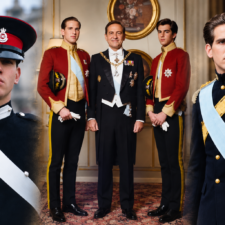
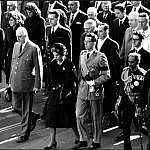
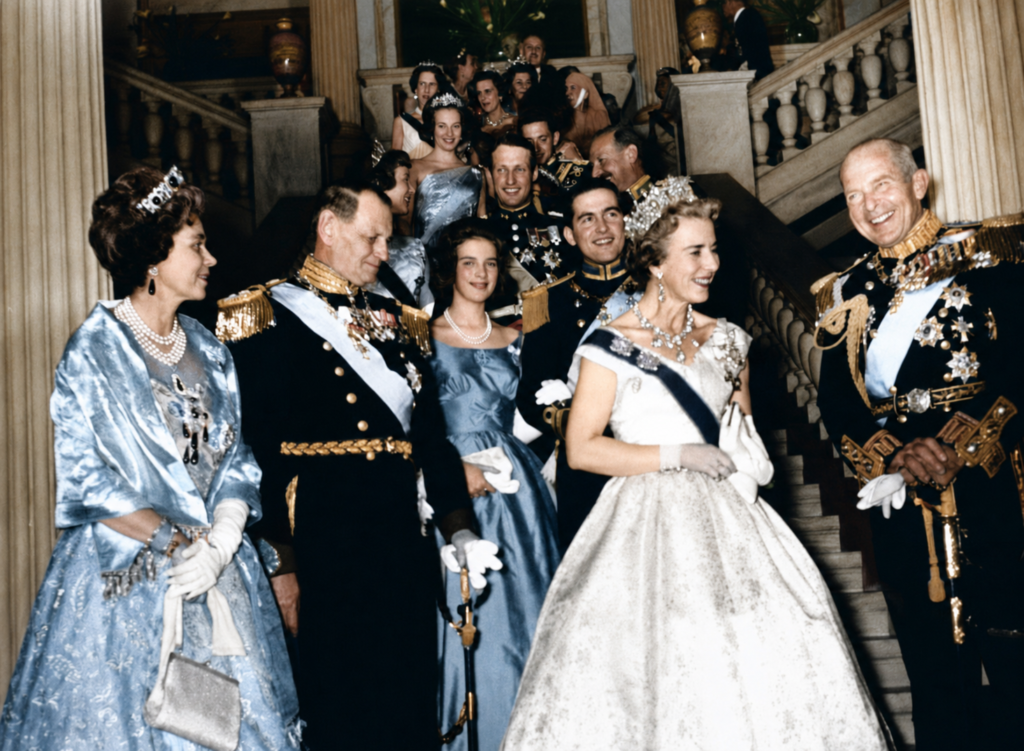
One of the most memorable moments in their shared history came in Athens in September 1964. On 18 September, King Constantine married Princess Anne-Marie of Denmark at the Metropolitan Cathedral of Athens. The wedding was one of the great royal occasions of the twentieth century, bringing together representatives of almost every reigning European dynasty of the time.
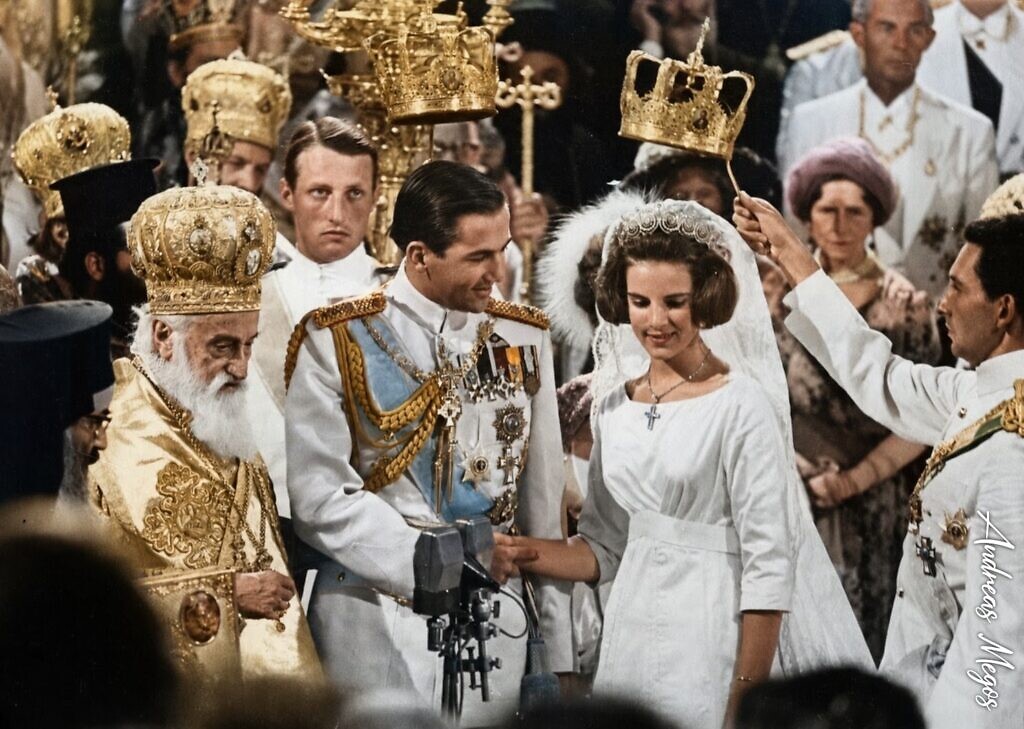
Among the young princes taking part in the magnificent ceremony was Crown Prince Harald of Norway, who served as one of the best men— the attendants holding the wedding crowns — during the Orthodox ceremony. Seen from the perspective of history, his presence carries a particular significance.
Many of the young princes gathered in Athens that day would eventually become kings. Harald would ascend the Norwegian throne in 1991. Constantine, meanwhile, had already become King of the Hellenes earlier that same year, following the death of his father, King Paul.
Two young men of almost the same generation were therefore entering adulthood with the weight of the Crown already upon their shoulders.
Kings – but Sailors First
The political circumstances in which their two reigns unfolded could hardly have been more different. Constantine’s reign was brief and marked by political turmoil. The military coup of 1967 forced him into exile, while several years later the 1974 referendum brought about the abolition of the Greek monarchy.
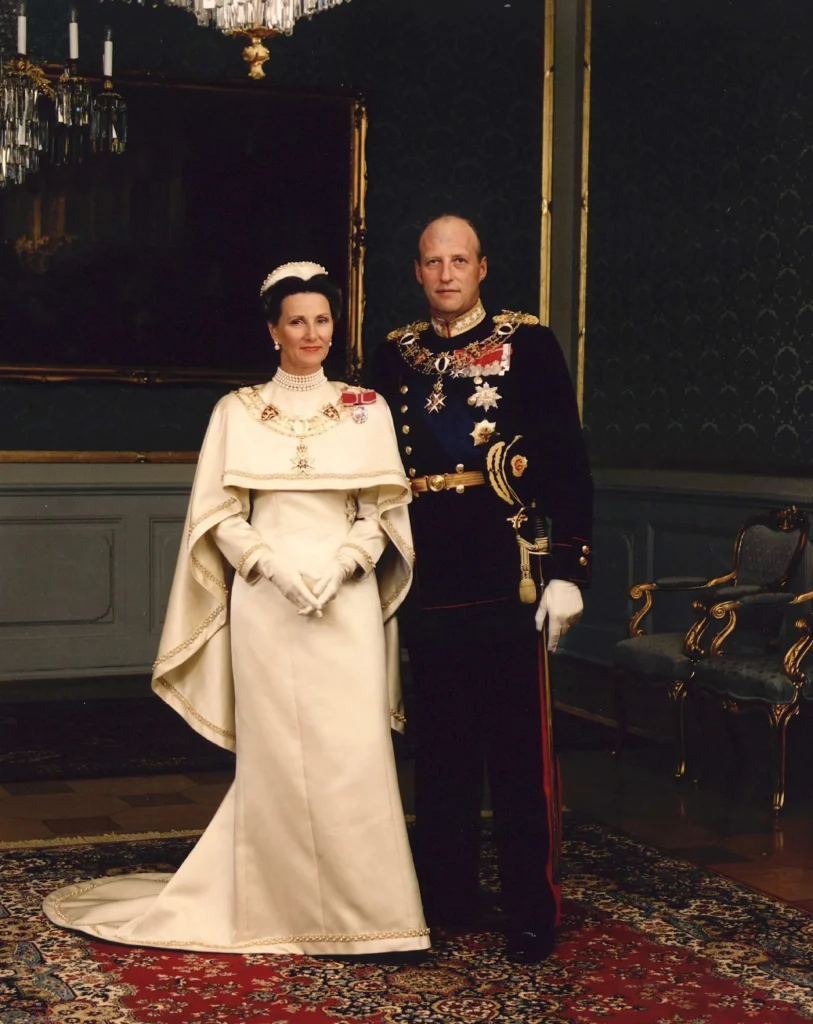
Harald’s reign, by contrast, began in 1991, following the death of his father, King Olav V, and continued for more than three decades within Norway’s constitutional monarchy. Yet the end of Constantine’s reign did not mark the end of the relationship that had developed between the two men. On the contrary, their personal friendship proved stronger than political upheaval and the changes brought by time. Once royal status was no longer what defined their public lives, what remained were their shared experiences, their mutual respect and a bond whose roots lay far deeper than their royal titles.
Sailing held a special place in that relationship. The sea was a place of freedom, where titles and official roles receded into the background and two men could simply share a common passion. For Constantine, whose life had been closely connected with sailing and the Olympic Games from an early age, and for Harald, sailing was not merely a shared interest. It was a way of life and a natural means of communication. Their shared love of the sea created a bond untouched by politics, power or historical circumstance.
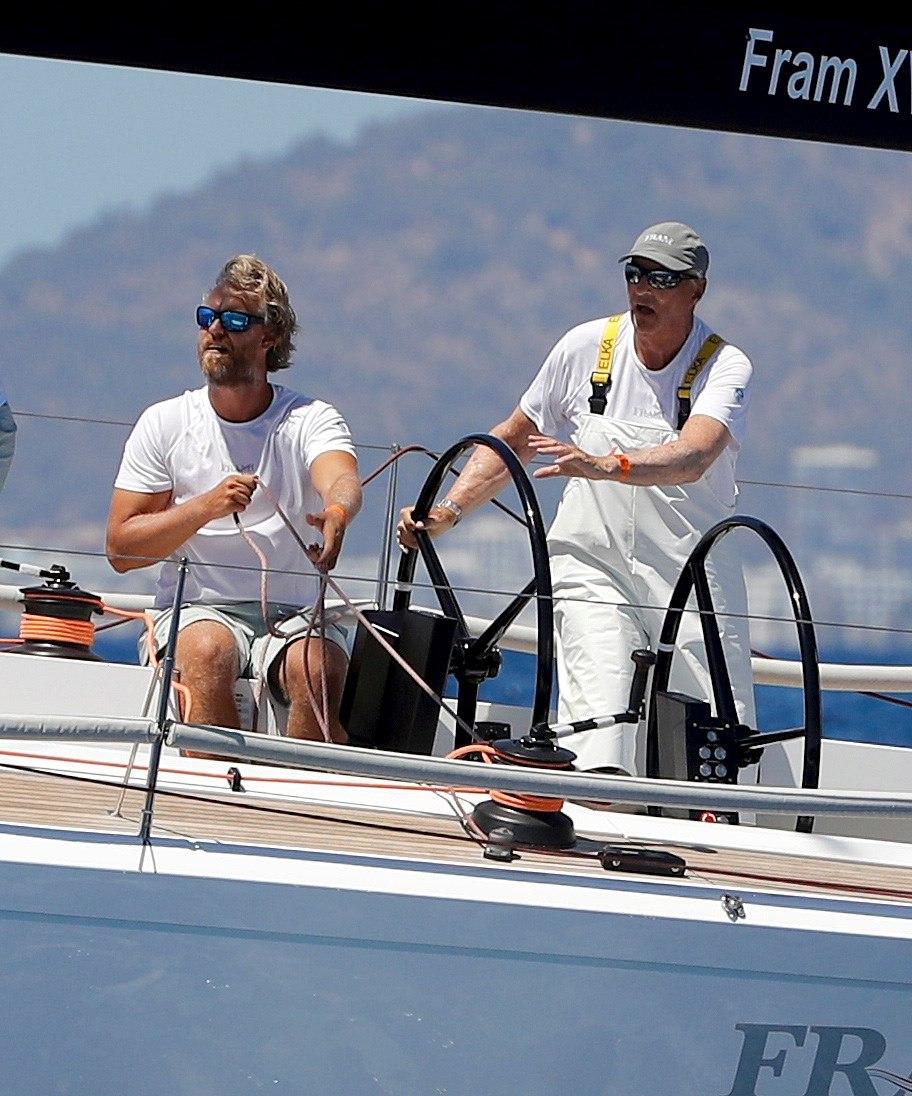
Thus, even after Constantine’s exile, their relationship continued on an entirely personal level. The sea, which had once brought them together as members of two European royal families and as men with a shared passion for sailing, remained a constant and enduring link between them — a bond that needed neither crown nor title to survive.
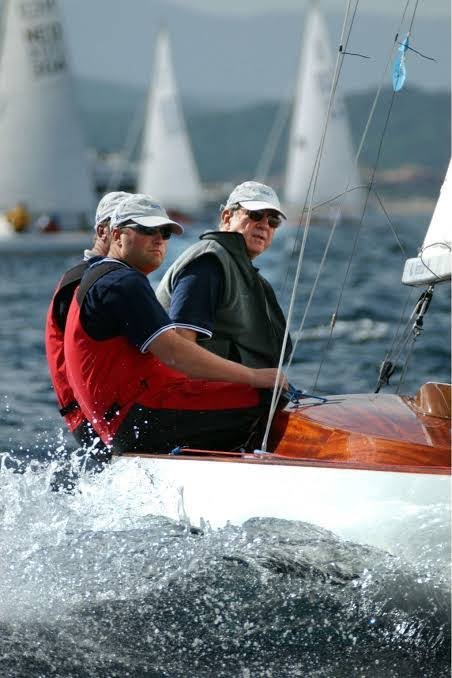
Constantine remained deeply committed to international sailing. His relationship with the sport lasted for more than six decades, beginning with his Olympic triumph in 1960. He subsequently became Honorary Vice-President of the international sailing federation and, in 1994, was appointed Honorary President, a position he held until his death in 2023.
That same year, King Harald V also became Honorary President of the organisation. For almost three decades, the two men therefore shared the distinction of serving as Honorary Presidents of the international sailing federation, today known as World Sailing.
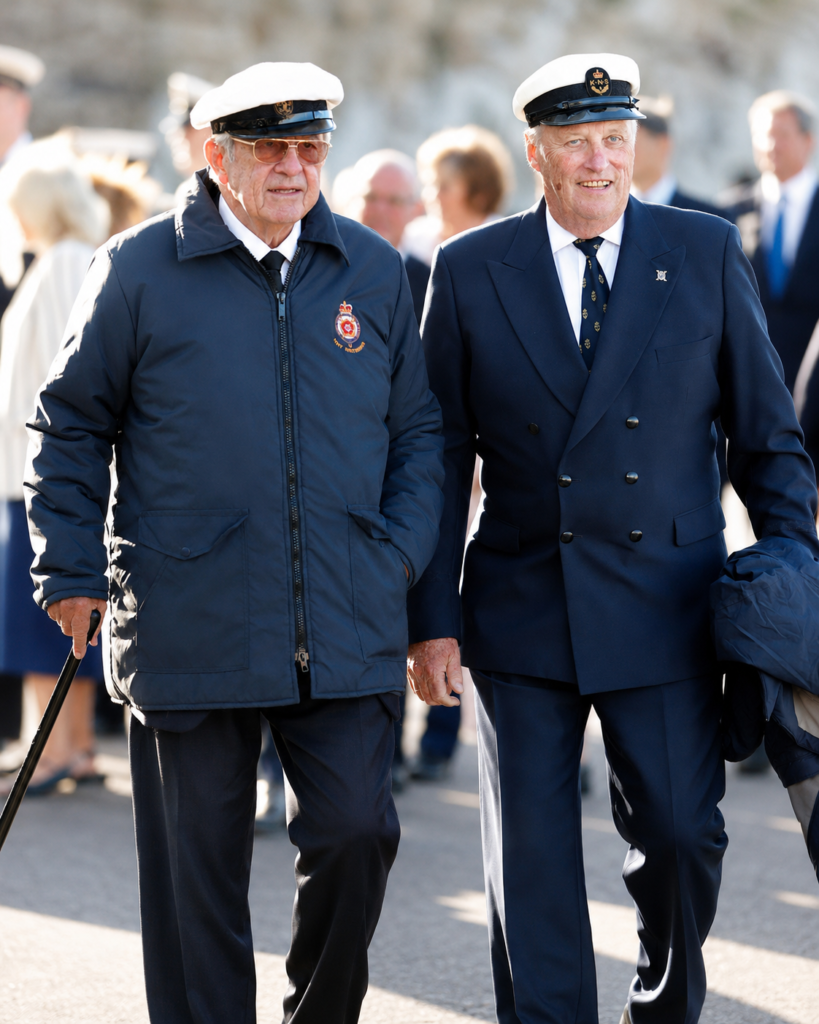
It was an especially fitting connection. These were two kings whose relationship with sailing was not merely ceremonial, but rooted in genuine personal experience. They were not simply kings who lent their names to sailing. They were sailors who happened to be kings.
The Bond Between Two Royal Families
The connection between the royal families of Norway and Greece extends far beyond the friendship between two kings. It forms part of a much older Scandinavian-Greek family connection, strengthened over generations through marriages, shared ancestry and close personal relationships between members of the two royal houses.
King Harald V and King Constantine II were themselves fourth cousins, as the Norwegian Royal House noted following Constantine’s death in 2023. Yet the relationship between their families was far broader than this single genealogical connection.
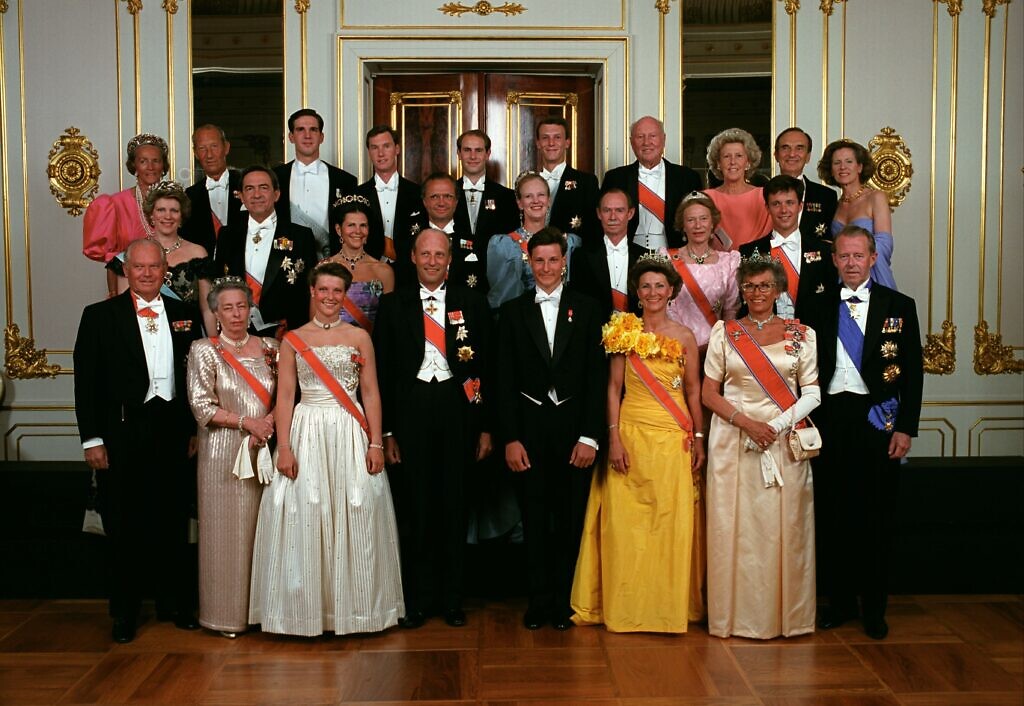
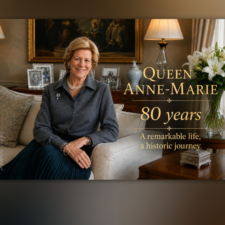
Constantine’s marriage to Princess Anne-Marie of Denmark in 1964 further strengthened the links between the Greek royal family and the Scandinavian royal houses. Anne-Marie was the daughter of King Frederik IX of Denmark and Queen Ingrid, who was a Swedish princess and a member of the Bernadotte dynasty.
Through Queen Ingrid, the Greek royal family became closely connected not only with the Danish royal house, but also with the Swedish and Norwegian royal families.
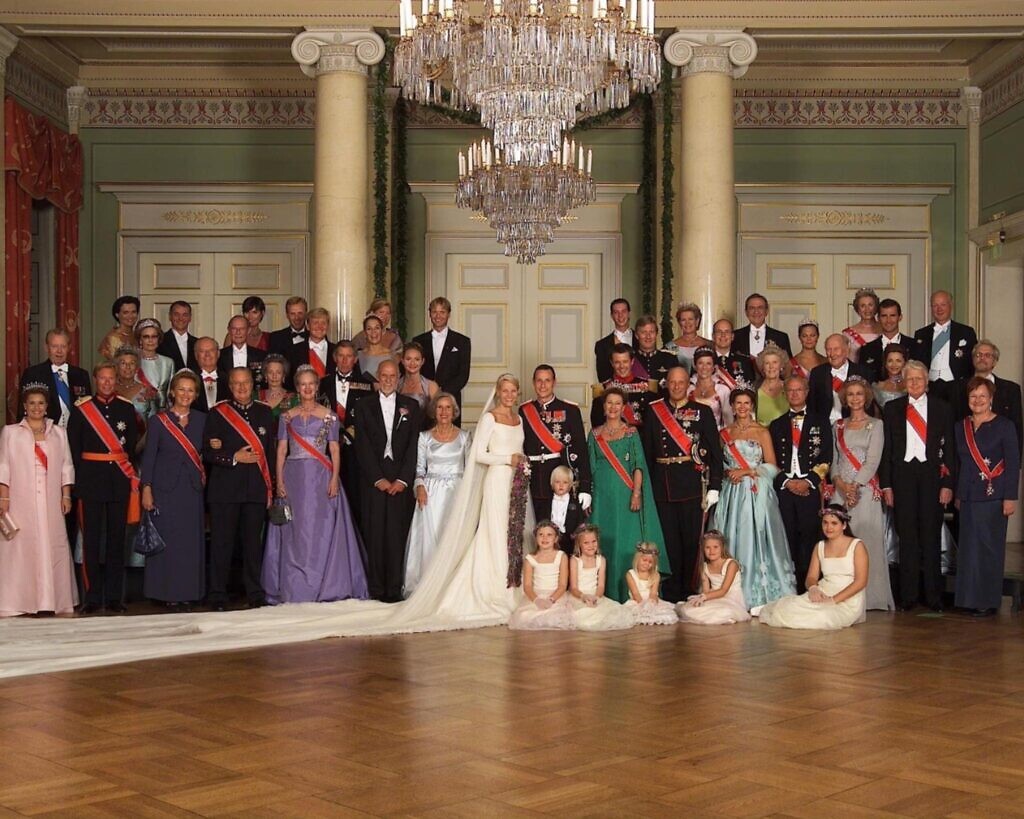
These connections continued into the present generation. The five children of King Constantine and Queen Anne-Marie — Alexia, Pavlos, Nikolaos, Theodora and Philippos — remain closely connected to the wider network of European royal families. Their lives, marriages and children have continued to bring the Greek royal family into contact with the Scandinavian and other European royal houses. This relationship is particularly evident among the younger generation.
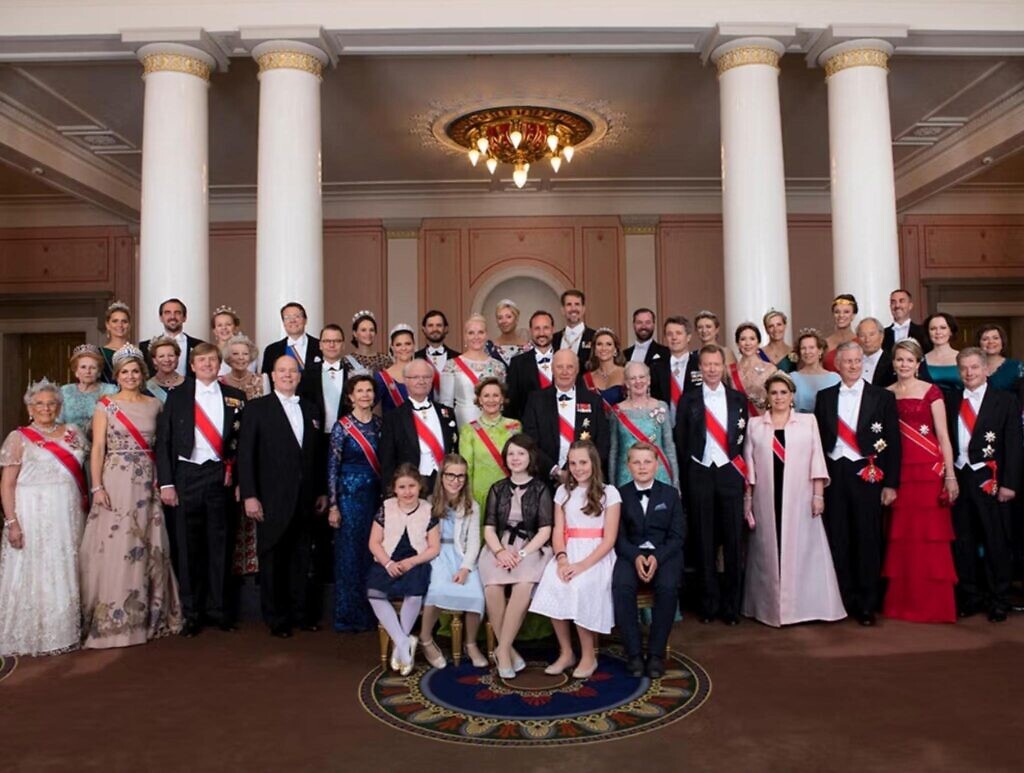
The descendants of Constantine and Anne-Marie belong to the same wider circle of European royal families as the descendants of King Harald and Queen Sonja, ensuring that the relationship between the two houses did not end with the deaths of the two kings. The bond was also evident at moments of profound personal significance.
The bond was also evident at moments of profound personal significance. When King Constantine died on 10 January 2023, the Norwegian Royal Family was represented at his funeral by Crown Prince Haakon and Crown Princess Mette-Marit. Their presence was not simply a matter of royal protocol. It reflected the longstanding family connection between the two houses, as well as the personal relationship that had united King Constantine and King Harald for so many decades.
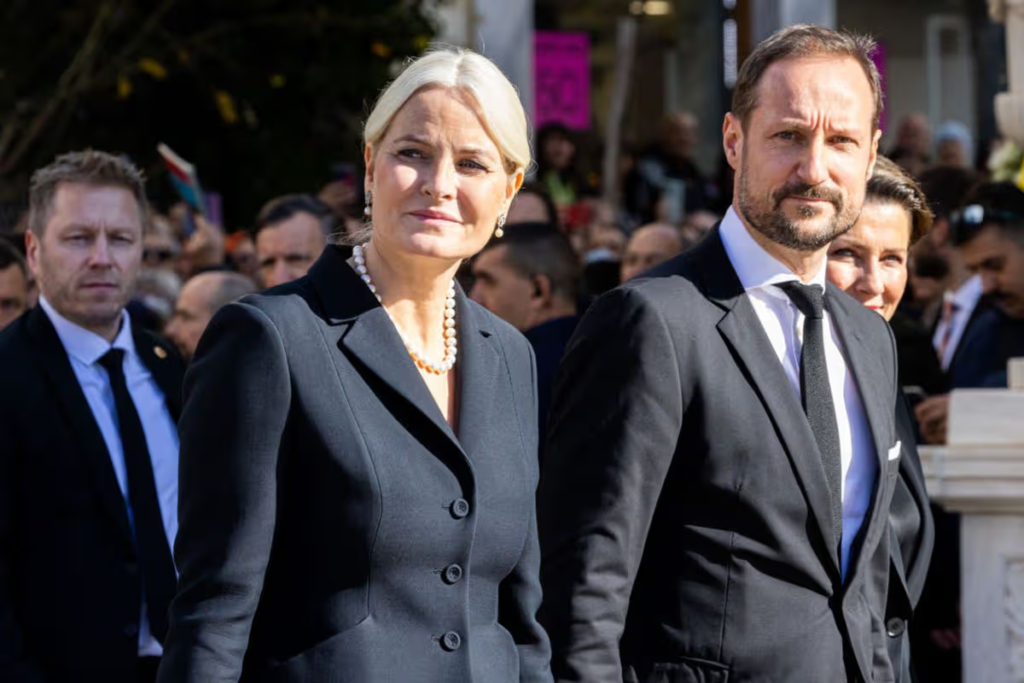
Today, this connection continues through the next generations. The Norwegian throne has now passed to a new generation, with King Haakon VIII, while Princess Ingrid Alexandra is, as of today, the heir to the throne.
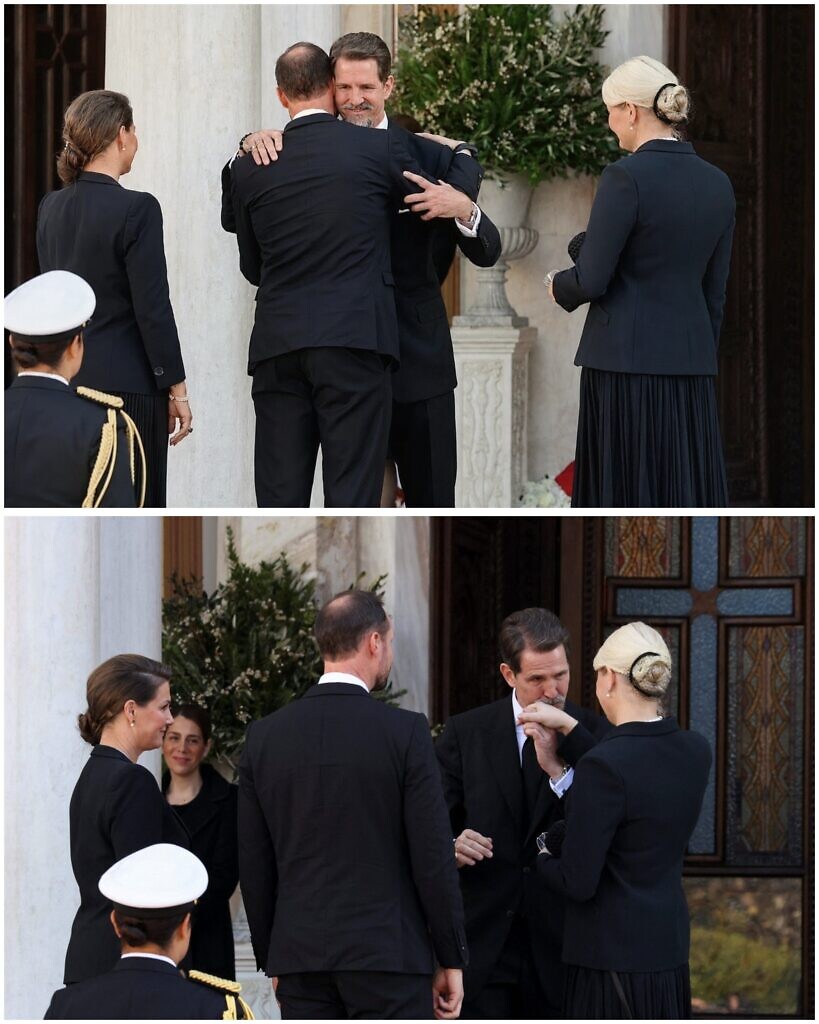
The bond between the two families remains alive to this day. It is not a bond sustained solely by institutions, but by shared ancestry, family ties, marriages, friendship, and memories passed from one generation to the next. Because the story of Harald and Constantine was never simply the story of two kings. It was the story of two families who, through more than half a century of change, have remained connected by ties that transcend time.
The crowns may change. The generations may change. But some friendships endure. And for Harald and Constantine, perhaps no image captures that enduring bond more perfectly than the sea — vast, timeless, and always carrying two distant shores towards one another.
 Share On Facebook
 Tweet It